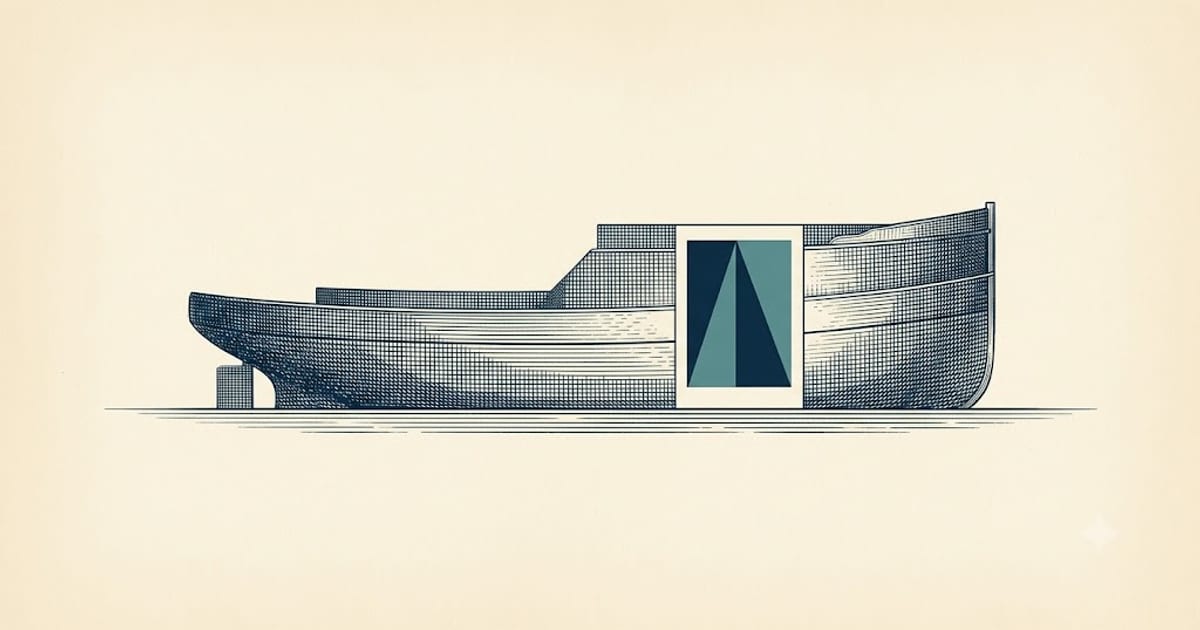
Chain dropped into a locker does not spread out. It falls in one place and builds a cone, and the cone grows until its apex reaches the deck above.
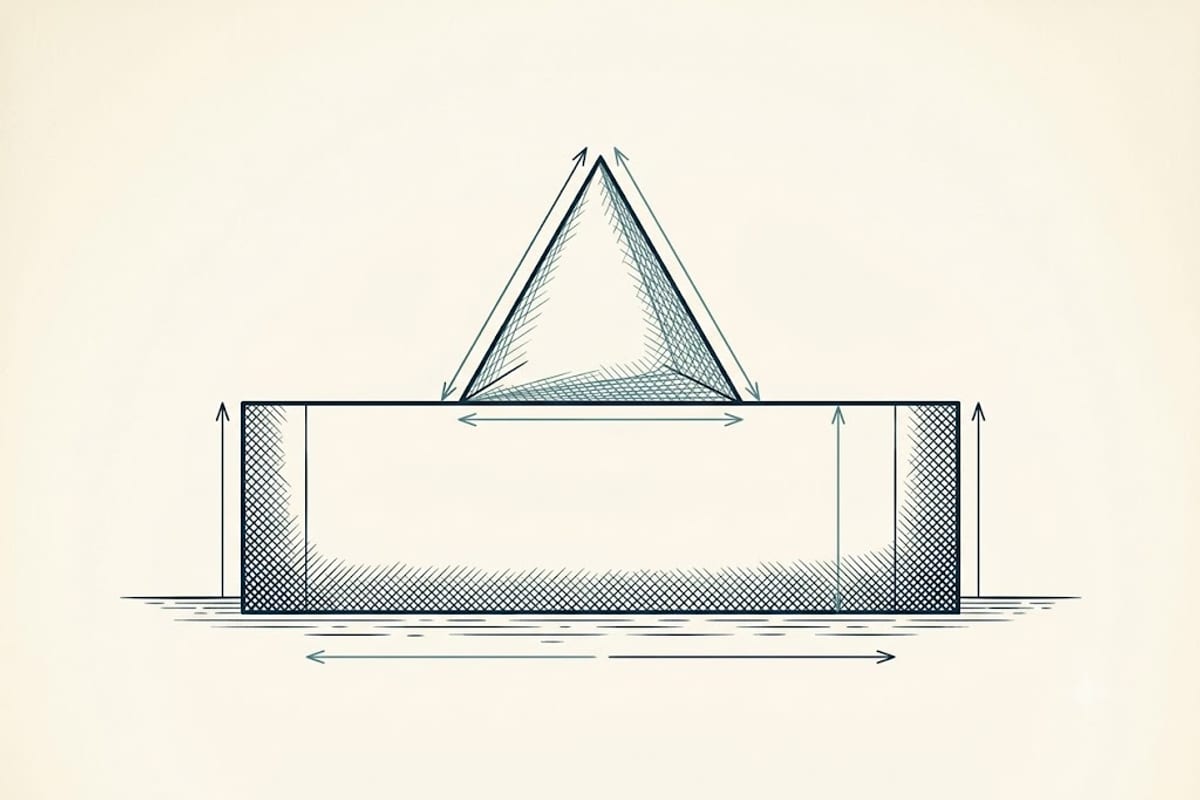
Castling, and why the windlass stops
When the cone reaches the underside of the deck, the chain has nowhere to go. The windlass keeps pulling, the pile jams against the hawse pipe, and the last stretch cannot come aboard.
This is called castling, and it is by far the most common cause of a windlass appearing to fail near the end of a retrieve. The windlass is fine.
The reliable fix is depth. A locker needs enough fall below the hawse pipe for the full cone to form clear of the deck, and how much depends on chain size and total length — heavier chain builds a wider, lower cone; lighter chain stacks higher and topples sooner.
Where depth cannot be added, the working alternatives are to flake the chain by hand as it comes aboard, or to fit a divider that splits the pile into two smaller cones.
Drainage matters as much as depth
A chain locker takes aboard a great deal of salt water. It needs a drain, and the drain needs to actually reach somewhere — a limber hole to the bilge, or a dedicated overboard drain.
A locker that holds water rusts galvanised chain from underneath, and the section that suffers is the one at the bottom of the pile, which is the section that never gets inspected because it never comes out. That is also, on most boats, the section nearest the bitter end.
Ventilation matters for the same reason. A sealed locker holds a permanently damp, salty atmosphere.
The bitter end
Secure the last of the rode to the boat so it cannot run out entirely, and secure it with something that can be cut or released from the deck.
A shackle through a structural eye, with the pin moused, is the common arrangement. A length of heavy line between the last link and the eye is better still, because a knife reaches it.
Attaching the bitter end immovably to the hull is a real hazard: there are circumstances — a dragging anchor in a rising gale, a fouled anchor on a lee shore — where slipping the rode is the correct action, and it must be possible to do it in seconds.
Weight in the bow
Chain is heavy and it sits at the extreme forward end of the boat, where weight affects pitching most. On a light boat, carrying a great deal of chain noticeably changes motion in a seaway.
This is the argument for a mixed rode on smaller boats — a length of chain for abrasion resistance and catenary, then nylon — rather than all chain. The trade is less catenary and more reliance on the snubber, and on a boat under about 30 feet it is frequently the right trade.
Inspection
Once a season, flake the entire rode out on a dock. It is the only way to see the part that lives at the bottom of the locker, and it is the part most likely to be corroded.
While it is out, re-measure the marks, check the bitter end attachment, and look at the swivel and shackle at the anchor end. Then look inside the empty locker itself for standing water, rust staining, and a blocked drain.
That afternoon, once a year, is what stands between a rode that is known to be sound and one that is assumed to be.