Rode & Chain
The rode is what makes the anchor work. An anchor pulled upward will not hold at any size, and everything in this category is about keeping the pull horizontal.
Scope is the whole idea
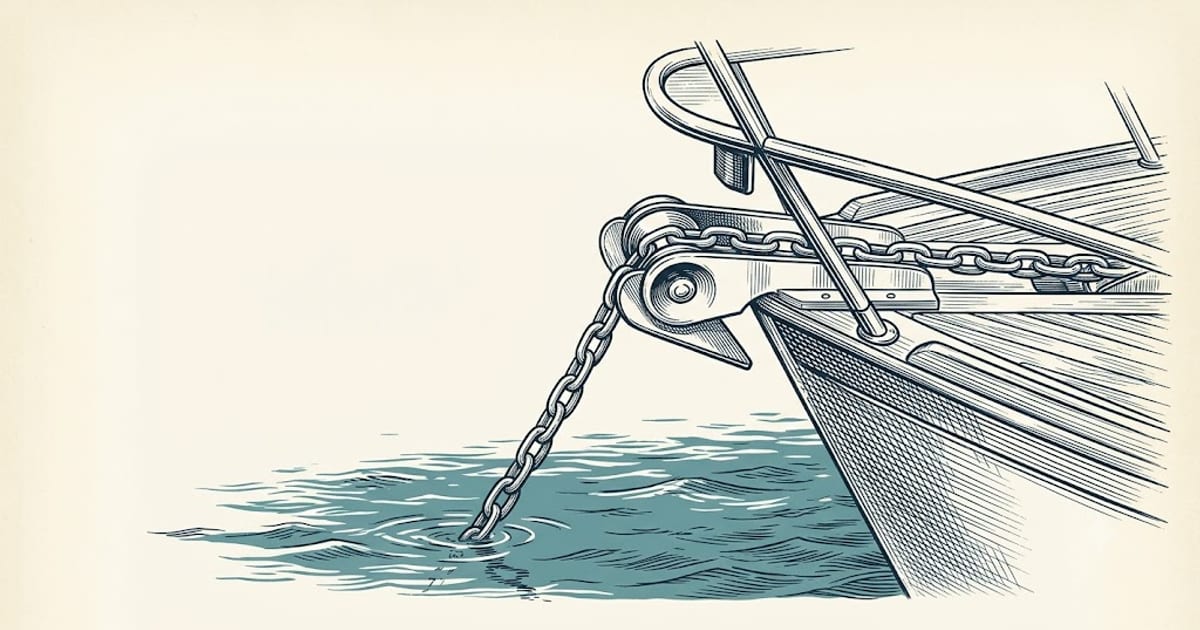
Scope is the ratio of rode deployed to depth — and depth measured from the bow roller to the seabed, not the number on the depth sounder. Add the height of the bow above the water, and add the tide range you will swing through.
scope = rode out ÷ (charted depth + tide + bow height)
7:1 is the traditional figure for rope rode. All-chain gets away with less because chain weight holds the pull down on its own, but "less" is a working compromise in settled weather, not a rule.
Chain versus mixed rode is a trade, not an upgrade
| All chain | Chain + rope | |
|---|---|---|
| Holding at low scope | Better | Worse |
| Shock absorption | None | Built in |
| Weight in the bow | Significant | Light |
| Needs a snubber | Always | No |
Chain buys you catenary — the sag that keeps the pull horizontal and absorbs surge by lifting. In strong wind that catenary pulls straight and the advantage disappears exactly when you need it, which is what the snubber replaces.
Grade is not a detail
G4 (high test) and BBB are different steels at different strengths, and at the same nominal size they have different link dimensions. That matters twice: for working load, and because the gypsy is cut for one of them.
The shackle is the weakest link, literally
A rode is only as strong as its smallest component, and that is nearly always the shackle at the anchor — under-sized, mousing wire missing, or a swivel installed where it takes a side load it was never rated for.
The pages below take one component at a time, starting with how much rode to carry.
5 articles
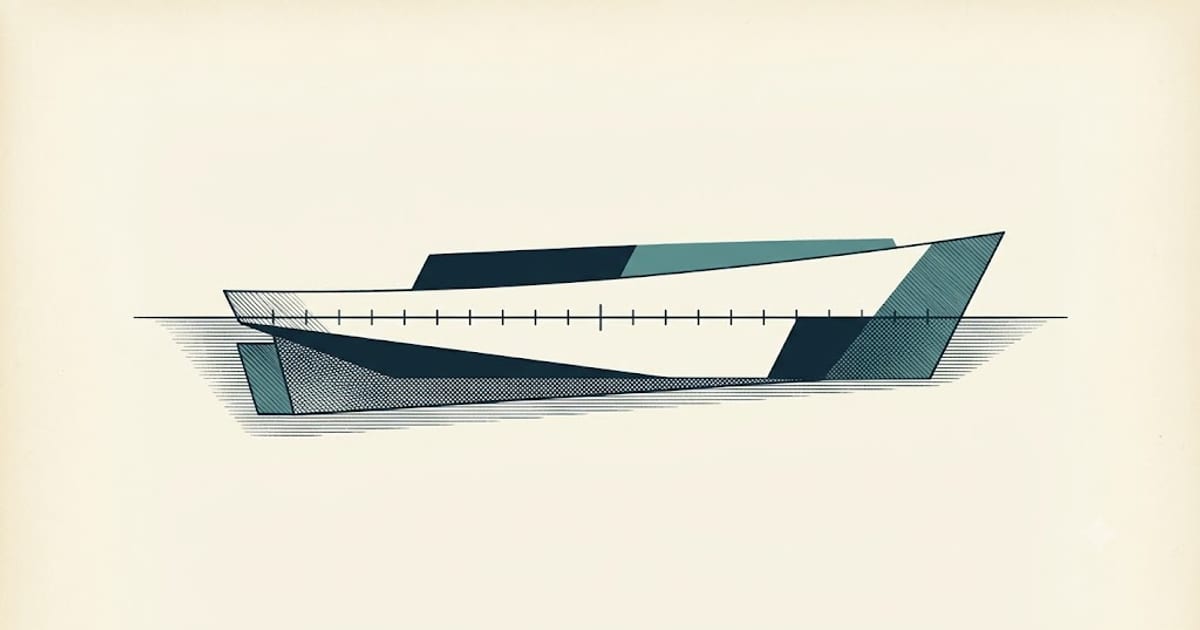 Marking the Rode — You Cannot Set Scope You Cannot Measure
Guessing the length of rode paid out makes every scope rule decorative. Marking it is an afternoon of work that lasts years.
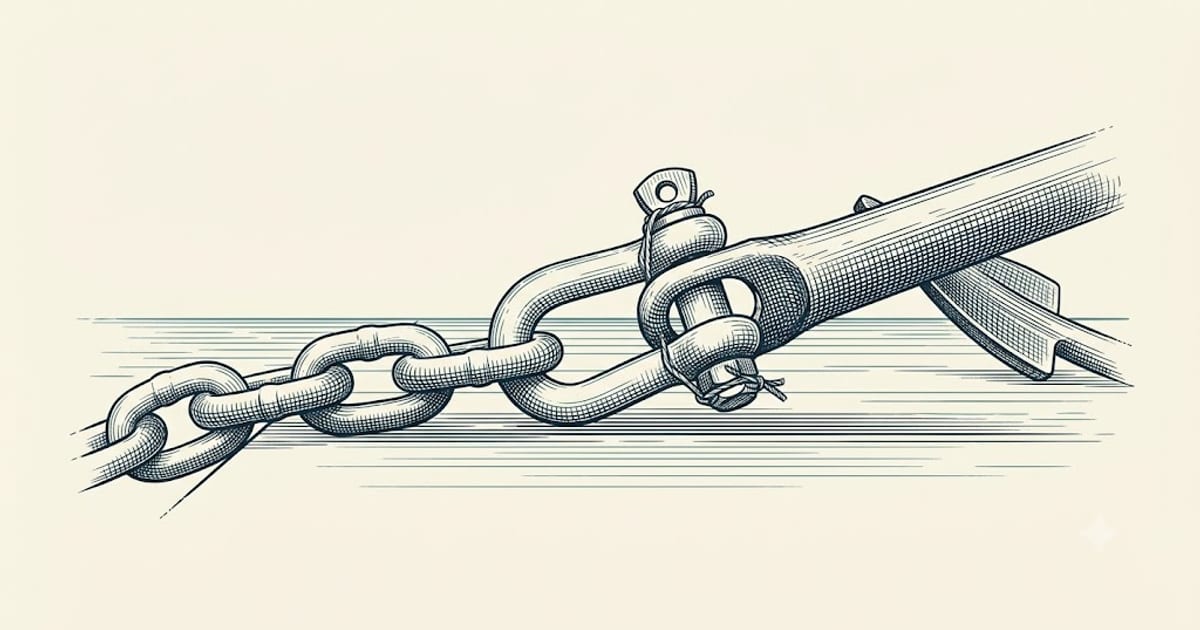 Shackles and Swivels: The Cheapest Parts, and the Ones That Fail First
The chain is rated in tons and the shackle joining it to the anchor costs a few pounds. Every ground tackle system fails at whichever link nobody sized.
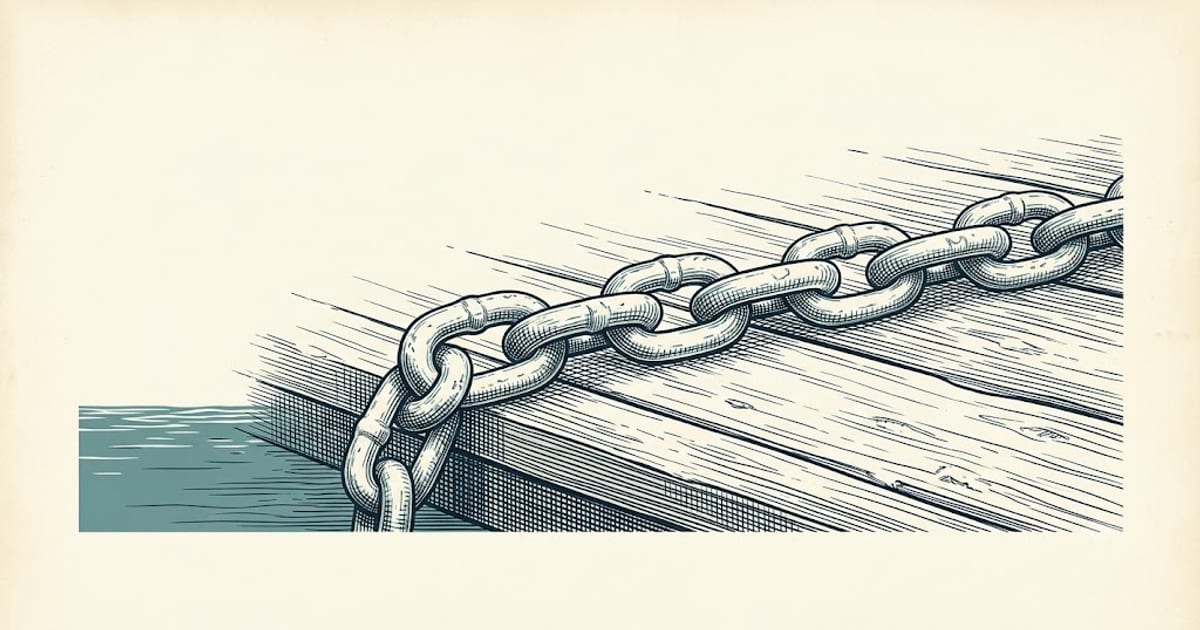 Anchor Chain Size and Grade: G4 or BBB Is Not a Detail Your Windlass Ignores
Two chains marked the same size can have different link pitch. One of them fits your windlass and the other jumps out of it under load.
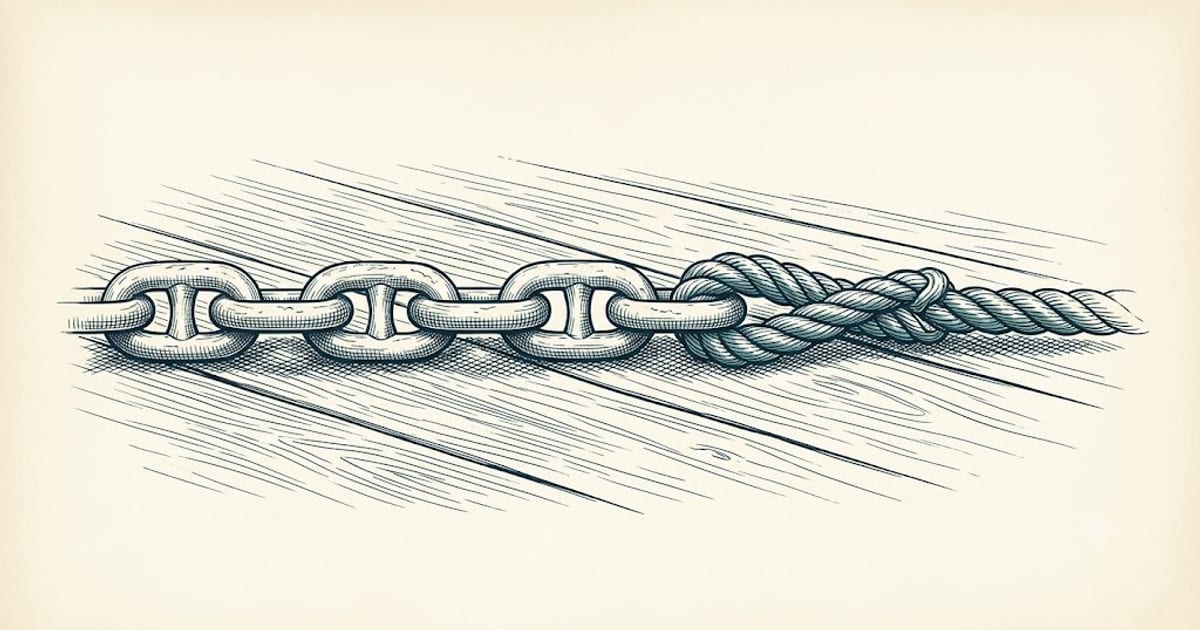 All Chain or Mixed Rode? Weight Buys Holding and Costs You Shock Absorption
Chain and nylon fail in opposite ways, which is why most cruising boats end up carrying both in some proportion.
 How Much Rode to Carry: Depth Is Only the First of Four Numbers
The scope ratio everyone quotes is applied to the wrong number. Depth under the keel is not what the rode has to span, and the difference is often several feet.